

Does a Smart Home Add Value to Your Property? The Honest Australian Answer
If you're weighing up a smart home project for an Australian property, someone has probably told you it "adds value" — usually someone selling one. We sell them too, so let's hold ourselves to a higher standard than the brochure: some automation genuinely supports property value, some contributes nothing at sale, and the difference is predictable. Here's how we'd explain it to a friend.
First, the honest framing
You will not find a reliable "X% uplift" figure for smart homes in Australian sales data, and anyone quoting one precisely is inventing it. Value shows up indirectly but really: in buyer appeal against comparable properties, in how a home presents at inspection, and — increasingly — in what buyers of premium property simply expect to find. In the Sydney market we work in, the question at the top end has quietly shifted from "does it have automation?" to "is the automation any good?" — which is a different question with a harsher grading curve.
What buyers actually pay attention to
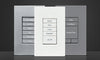
- Infrastructure beats gadgets, every time. Proper cabling, a professional network, a tidy rack, quality keypads — buyers and their building inspectors read these as build quality, the same category as good joinery. A drawer of consumer hubs reads as clutter someone will have to sort out. If you do one thing for value, do the infrastructure — the logic of our wired vs wireless guide.
- The invisible, integrated look. The design language that wins awards — technology you can't see — is also what photographs well in a campaign and shows well at inspection. Motorised shading gliding down during a twilight open home does more for perceived value than any spec sheet.
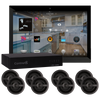
- Things with obvious daily benefit: automated shading, integrated security and intercom, whole-home audio, a genuinely good media room. Buyers can imagine living with these in the first thirty seconds.
- Energy credentials. With so many Australian homes now running solar and batteries, automation that visibly manages energy — pre-cooling on solar, load shifting — lands with buyers watching power bills. Our energy management guide covers what that looks like.
What adds little or nothing at sale
Equally honestly: personal-preference tech (your specific speaker brand loyalties), anything subscription-dependent the buyer must re-establish, DIY ecosystems tied to your personal accounts, and ageing gear on dead platforms — which can subtract value by reading as a future project. Technology depreciates; design and infrastructure hold. Budget with that split in mind and you'll never resent the spend.
The multiplier nobody talks about: documentation
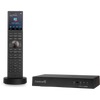
Here's the pattern we see from the buyer's side often enough to have written a whole guide on buying a home with a Control4 system: an identical system is worth meaningfully more to a buyer when it comes with its paperwork — what's installed, how it's programmed, who services it, how ownership transfers. An undocumented system is a mystery box the buyer's conveyancer can't price, so they price it at zero and move on. A documented one is a working feature with a support path.
So if you're selling an automated home: get the system serviced, get the handover pack assembled, transfer-ready, and put "professionally installed and documented" in the campaign. If you're installing now with resale on a five-year horizon: keep every design document we give you, and lean the budget toward shading, lighting and infrastructure — the parts the next owner will still be enjoying in 2036.
Frequently asked questions: smart homes and property value
How much value does a smart home add in Australia?
No honest professional can give you a percentage — the sales data doesn't isolate it. What's defensible: quality automation improves buyer appeal and presentation against comparables, is increasingly expected in the premium bracket, and documented systems transfer value where undocumented ones transfer doubt.
Should I automate just before selling?
Generally no — you won't enjoy it, and rushed pre-sale installs read as staging. The exceptions with genuine campaign impact: motorised shading, tidy integrated security, and fixing a visibly messy network. If you're two-plus years from selling, do it properly and get the living value too.
Does DIY smart home gear hurt resale?
Neutral to slightly negative: account-tied ecosystems and visible hub clutter become the buyer's problem to untangle. If DIY is the right call for your budget, our professional vs DIY comparison covers doing it in ways that age better.
What should stay with the house when I sell?
Installed infrastructure, keypads, controllers, in-ceiling audio and shading stay (and are marketed); personal streaming accounts and portable speakers go. Set the system up so that split is clean — it's part of how we design.